The Contamination of Consciousness: Fighting Digital Misinformation in the Psychedelic Renaissance
October 16, 2026
The Contamination of Consciousness: Fighting Digital Misinformation in the Psychedelic Renaissance
Author: The Team at Psychedelic-Education.org
Published On: [Date]
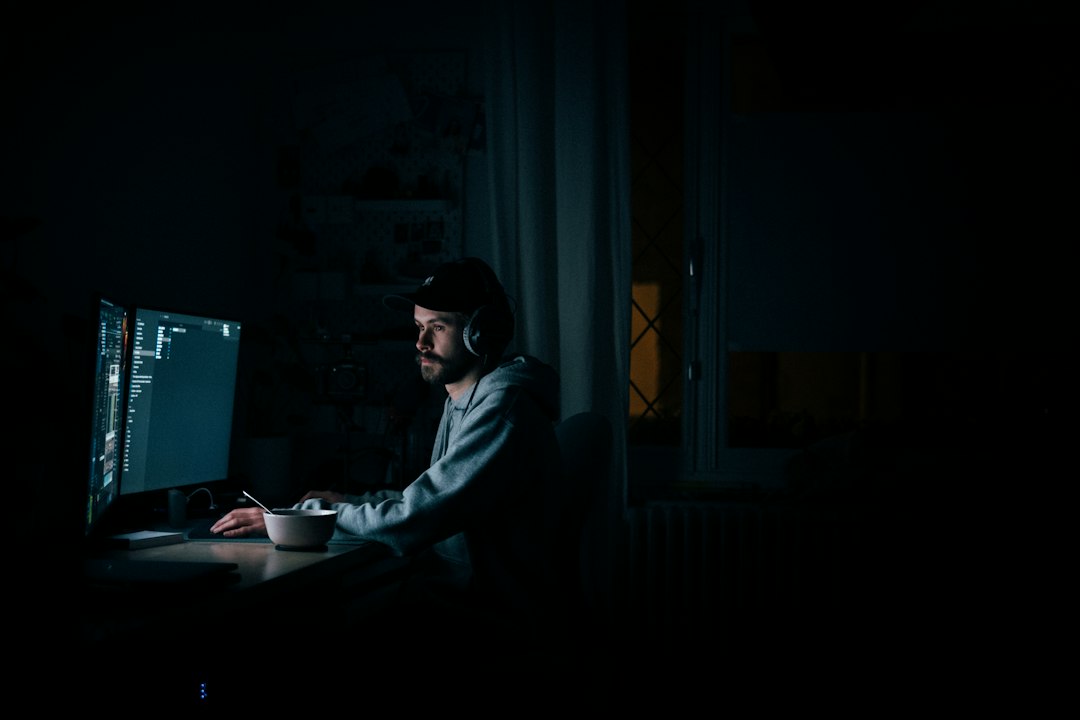
We are living in an unprecedented era of psychedelic exploration and acceptance. From groundbreaking clinical trials for PTSD and depression to a cultural shift in perception, the “psychedelic renaissance” holds incredible promise for healing and human consciousness. But this wave of enthusiasm has a dark undercurrent. The digital world is now flooded with a torrent of information—and misinformation—about these powerful substances. This “contamination of consciousness” threatens not only individual safety but the future of the entire movement.
Here at Psychedelic-Education.org, our mission is to be a beacon of clarity in this often-confusing landscape. We are a collective of researchers, clinicians, and educators committed to providing accessible, evidence-based, and unbiased information to help you navigate your journey safely and responsibly. This article will equip you with the tools to identify and fight back against the digital misinformation that puts you at risk.
Key Takeaways
- The current “psychedelic renaissance” is accompanied by a dangerous surge in online misinformation, from social media influencers to unverified “gurus.”
- Common types of misinformation include presenting psychedelics as “miracle cures,” downplaying significant psychological and physical risks, and misrepresenting legality and safe sourcing.
- The consequences of acting on bad information can range from severe psychological distress to undermining the credibility of legitimate psychedelic research and therapy.
- You can protect yourself by developing critical thinking skills: always question the source, look for scientific evidence, be wary of anyone selling a product, and cross-reference information.
- Psychedelic-Education.org is dedicated to combating this misinformation by providing evidence-based, expert-vetted resources to ensure your journey is safe and informed.
TL;DR
The excitement around the psychedelic renaissance has created a “Wild West” of online information, making it difficult to separate fact from fiction. This guide explains the types of digital misinformation, its dangers, and provides a practical framework for identifying trustworthy sources, positioning Psychedelic-Education.org as your reliable guide in this complex landscape.
The rise of digital platforms has created a fertile ground for psychedelic misinformation to spread rapidly.
The same technologies that connect us and democratize information have also become conduits for dangerous falsehoods. In the context of psychedelics, where personal safety and psychological well-being are paramount, the stakes are incredibly high. Understanding the environment where this misinformation thrives is the first step toward protecting yourself.
The “Wild West” of Social Media
Platforms like TikTok, Instagram, and Reddit are designed for rapid, emotionally resonant content, not for nuanced scientific discourse. A compelling 60-second video of a tearful, life-changing ayahuasca journey will always get more engagement than a detailed breakdown of a clinical trial’s methodology. This dynamic creates a significant problem. Algorithms, built to maximize watch time, create powerful echo chambers. If you engage with a few videos touting psilocybin as a cure-all, the platform will flood your feed with similar content, reinforcing unverified claims and filtering out cautious, evidence-based perspectives.
The Problem with Self-Proclaimed Gurus and Unverified “Experts”
The digital landscape has enabled the rise of influencers and “psychonauts” who present their personal experiences as universal truth. While anecdotal reports can be valuable, they are not a substitute for scientific evidence. A single positive experience does not account for variables like individual brain chemistry, psychological history, or the specific substance and dosage used. These self-proclaimed experts often lack any medical, clinical, or scientific credentials, yet they dispense advice on dosage, preparation, and even psychological integration—areas that require deep professional knowledge. This stands in stark contrast to controlled scientific studies, which are designed to isolate variables and produce generalizable, reliable data.
When Commerce Overrides Caution
The growing interest in psychedelics has created a booming market for retreats, coaching services, and, in some cases, the illegal sale of substances. This commercialization introduces a powerful financial incentive to over-promise benefits and downplay risks. A retreat facilitator who depends on bookings for their livelihood is less likely to highlight the potential for a psychologically destabilizing experience. An online “guide” selling a high-priced coaching package has a vested interest in framing psychedelics as a simple solution that they hold the key to. When someone is trying to sell you something, their information should always be viewed with an extra layer of scrutiny.
Psychedelic misinformation often preys on hope and desperation, manifesting in several common and dangerous forms.
For individuals struggling with profound mental health challenges, the promise of a rapid and complete recovery is deeply alluring. Misinformation exploits this hope, packaging complex substances into overly simplistic and often hazardous narratives.
The “Miracle Cure” Myth
- What it is: This is the pervasive claim that a single psychedelic journey can permanently “cure” complex, deeply rooted conditions like chronic depression, addiction, or severe trauma without the need for ongoing integration or therapy.
- The Reality: While psychedelics can be powerful catalysts for healing, they are tools, not cures. Research from institutions like Johns Hopkins University consistently emphasizes that the most profound and lasting benefits occur when the psychedelic experience is paired with structured psychotherapy. The substance can open a window of neuroplasticity and insight, but the hard work of building new habits and processing trauma happens before and, most importantly, after the journey.
The Glossing Over of Risks
- What it is: Content that focuses exclusively on blissful, transformative experiences while completely ignoring or minimizing the potential for negative outcomes.
- The Reality: Psychedelics carry real risks that demand respect and preparation. These include:
- HPPD (Hallucinogen Persisting Perception Disorder): A rare but serious condition where individuals experience ongoing visual disturbances long after the substance has left their system.
- Psychological Distress: So-called “bad trips” can be intensely frightening and psychologically destabilizing, sometimes leading to prolonged anxiety or paranoia if not properly integrated.
- Psychotic Breaks: In individuals with a personal or family history of psychotic disorders like schizophrenia, psychedelics can trigger a first-time psychotic episode.
The Co-opting of Indigenous Knowledge
- What it is: This involves misrepresenting or commercializing sacred indigenous practices, often stripping them of their deep cultural and spiritual context to create a marketable, Western-friendly “spiritual” product. Ayahuasca tourism, for example, can sometimes devolve into a caricature of sacred ceremony.
- The Reality: It is crucial to honor the rich traditions from which many of these practices originate. The Shipibo-Konibo people of the Amazon, for instance, have a relationship with ayahuasca that spans centuries and is interwoven with their cosmology, ethics, and community structure. To treat it as a mere product is to engage in a form of cultural appropriation that is both disrespectful and potentially dangerous, as it ignores the intricate systems of safety and intention built into these traditions.
The Dangers of Sourcing and Legal Misinformation
- What it is: This includes inaccurate advice on the legal status of substances in different regions or, more dangerously, recommendations for sourcing them from the black market.
- The Reality: Outside of a legal, regulated framework, there is no quality control. Substances bought from unregulated sources can be improperly dosed or, worse, laced with dangerous adulterants like fentanyl, a risk highlighted by law enforcement agencies like the U.S. Drug Enforcement Administration. Furthermore, possessing and distributing these substances remains illegal in most parts of the world, carrying severe legal consequences.
The consequences of this “contamination of consciousness” can range from psychological harm to derailing legitimate scientific progress.
Acting on bad information is not a benign act; it has tangible, often severe, repercussions for individuals, public health, and the future of psychedelic science itself.
Harm to the Individual: Safety, Set, and Setting
The concepts of set (your mindset and intentions) and setting (your physical and social environment) are foundational pillars of psychedelic harm reduction. Misinformation directly undermines this framework. Following bad advice on dosage can lead to an overwhelmingly intense experience. An improperly prepared environment can turn a challenging moment into a traumatic one. Believing a substance is a simple party drug rather than a powerful psychological tool can lead to reckless use in unsafe settings, dramatically increasing the risk of harm.

Harm to Public Health: Medical and Psychiatric Contraindications
One of the most acute dangers of online misinformation is bad advice regarding drug interactions. For example, combining classic psychedelics with certain antidepressants, particularly MAOIs, can lead to a life-threatening condition called serotonin syndrome. Untrained “gurus” may incorrectly advise people to stop their prescribed medications abruptly, which can have its own severe consequences. Proper medical screening is essential to identify pre-existing conditions, such as heart problems or a predisposition to psychosis, that make psychedelic use extremely risky.
Harm to the Movement: Undermining Credibility
The psychedelic renaissance is fragile. Its progress is built on decades of careful, rigorous scientific research and courageous advocacy. Every tragic story that emerges from someone acting on misinformation—a psychotic break, a traumatic experience at an unregulated retreat, a death from a tainted substance—becomes fuel for negative media cycles. This sensationalism can easily sway public opinion and influence policymakers, leading to stricter regulations that could halt vital research and shut down pathways to legal, therapeutic access for those who need it most.
Developing critical thinking skills is your most powerful tool for fighting digital misinformation in the psychedelic renaissance.
Empowering yourself to critically evaluate information is the ultimate antidote to the digital deluge of falsehoods. You don’t need to be a scientist to learn how to spot red flags and identify trustworthy sources. It requires a mindset of healthy skepticism, much like applying a zero-trust protocol to your digital security—verify everything, trust nothing implicitly.
A 5-Point Checklist for Vetting Psychedelic Information
Before you accept any claim, run it through this simple checklist:
- Check the Author: Who is providing this information? Do they have relevant credentials (e.g., M.D., Ph.D., licensed therapist)? Are they a recognized expert in neuroscience, pharmacology, or psychology? Or are they an anonymous account or a self-described psychonaut with no verifiable expertise?
- Check the Sources: Are they citing peer-reviewed scientific studies from reputable journals? Can you trace their claims back to primary research? Or is their evidence based entirely on personal anecdotes, vague “ancient wisdom,” or links to other unsubstantiated blogs?
- Check the Motive: Is the author trying to sell you something? A retreat, a coaching program, a specific product, or an online course? A commercial interest is a major red flag for biased information.
- Check for Balance: Does the content acknowledge the risks, limitations, and unknowns associated with psychedelics? Or does it only present a one-sided, utopian view? Trustworthy sources are not afraid to discuss potential negative outcomes.
- Check the Tone: Is the language sensationalist (“This one mushroom will change your life forever!”), emotionally manipulative, or conspiratorial? Reputable scientific and educational sources use measured, cautious, and nuanced language.
Red Flags to Watch For
Be immediately skeptical if you see phrases like:
- “Guaranteed results”
- “Ancient secret revealed”
- “Big Pharma doesn’t want you to know this”
- “Cure your trauma in one session”
- Any claim that is presented without a single cited source or piece of evidence.
Psychedelic-Education.org is committed to providing a reliable antidote to the rampant misinformation in the industry.
Navigating this complex field requires a trusted guide. As an organization, Psychedelic-Education.org was founded to be that guide, providing a clear, evidence-based alternative to the noise and hype.
Our Commitment to Evidence-Based Education
Our entire content strategy is built on a foundation of scientific rigor and expert oversight. Every article, guide, and resource we publish goes through a strict editorial process. Content is written and reviewed by a team of experts with credentials in medicine, psychology, and neuroscience. We do not rely on anecdotes; we rely on data. Our commitment is to translate complex, peer-reviewed research into accessible information that empowers you to make safe and informed decisions.
How to Use Our Resources to Stay Informed
We encourage you to use our platform as your home base for reliable information. If you’re researching psilocybin, for example, start with our comprehensive guides that cover its history, mechanism of action, potential risks, and therapeutic uses—all backed by scientific citations. You can explore the full breadth of our articles by reviewing our post sitemap or see our foundational content on our page sitemap. We provide extensive resources on harm reduction, guides on therapeutic integration, and updates on the latest clinical trials.
Join a Community of Conscious Exploration
Staying updated with vetted information is crucial in this rapidly evolving field. Our newsletter and social media channels serve as a reliable source for the latest research and safety guidelines, helping you to share accurate information within your own communities and counter the spread of dangerous myths.
Final Thoughts
The psychedelic renaissance offers profound potential for healing and discovery, but its ultimate success hinges on our collective ability to navigate it with wisdom, discernment, and a deep respect for the power of these substances. The contamination of consciousness through digital misinformation is the single greatest threat to both individual safety and the progress of this movement.
You are now equipped with the critical thinking tools to distinguish hype from help and speculation from science. By questioning sources, demanding evidence, and recognizing bias, you can protect yourself and contribute to a healthier, more informed psychedelic culture. Make Psychedelic-Education.org your trusted partner on this journey. Explore our resources, share our articles, and join us in building a future where the power of psychedelics can be explored safely, responsibly, and consciously.